

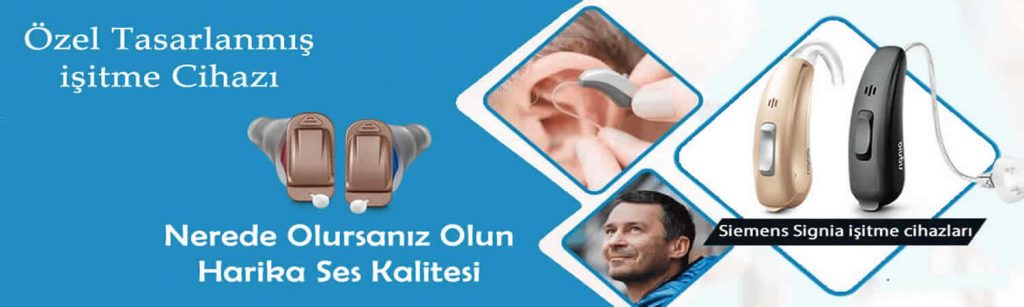
What is the hearing device?
The most important factors that determine whether a hearing aid is suitable for those with hearing loss are;
At your healthcare facility, your Ear, Nose, and Throat (ENT) specialist may recommend one or more types of hearing loss based on factors such as level of hearing loss, aesthetic preferences, lifestyle needs, and budget. hearing aids By suggesting it, you can use it better.
Different hearing aid There are styles and models available in a variety of colors and metallic finishes to complement your hair color or skin tone.
hearing aids They are small electronic devices that allow a person or material to hear their voices better and understand speech more clearly, providing an overall improvement in the individual and his communication ability. hearing aid prices 2019
a hearing aid has different sections
a hearing aid There are three main parts in the microphone: Microphone, Amplifier and Speaker. Microphones receive sound waves from the external environment and transmit them to the amplifier. hearing aid The amplifier (and processor) is responsible for processing and amplifying these sounds and increasing the strength of the signals. hearing aid Finally, the amplified sounds are transmitted to the ear through the speaker.
hearing aid Various devices are used during ear-to-ear transmission, these may include: earmoulds, tubes and horns, tubes and domes to fit your ear. hearing aids as power supply hearing aid They use batteries.
hearing aid parts
These sections are almost all hearing aids Available in brands and models. hearing aid Depending on where and how it is installed, hearing aid can be classified into these main types.
 hearing aid">" width="300" height="300" />hearing aid
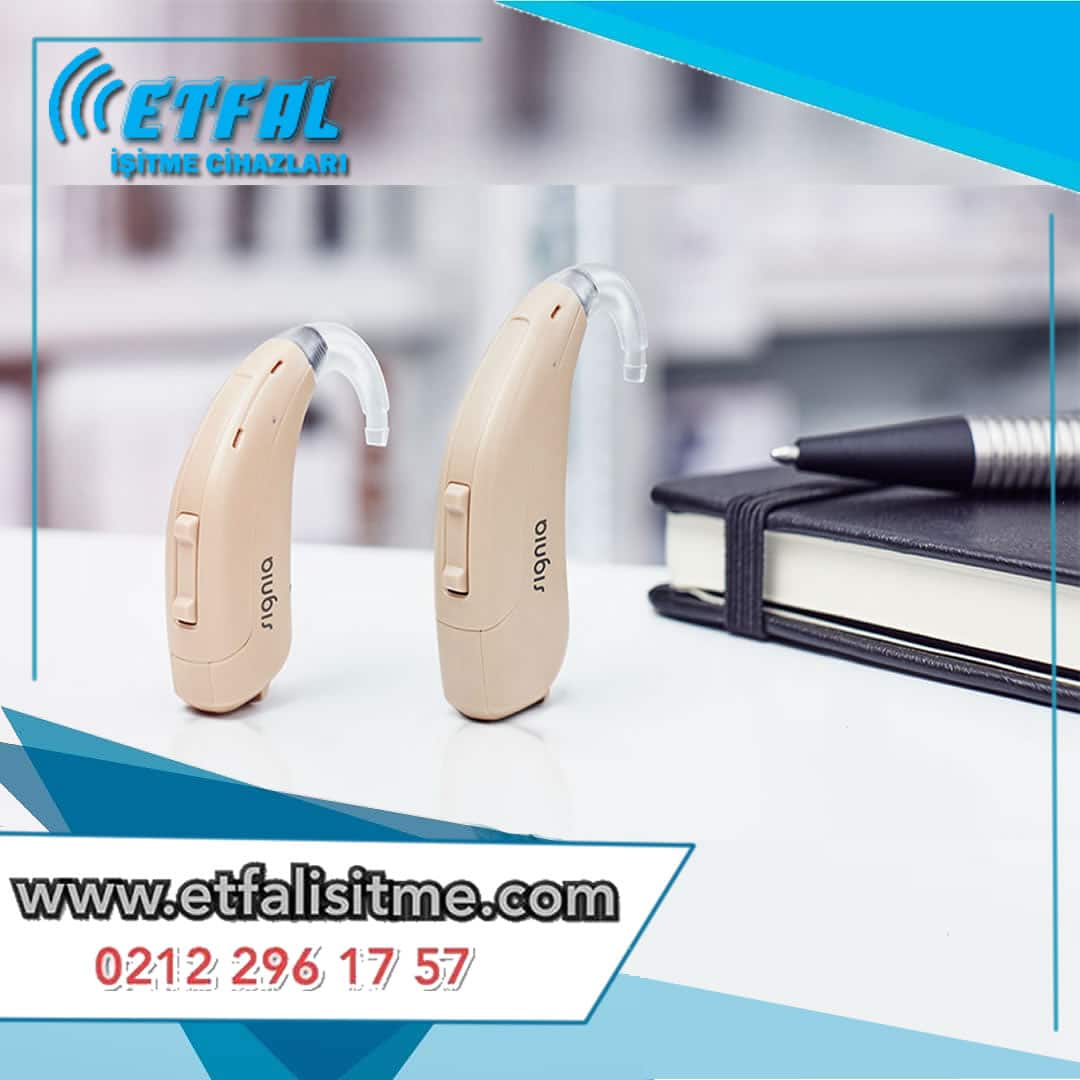 hearing aid
hearing aid varieties
inside the channel hearing aid (IIC, CIC, vb.)
inside the channel hearing aidsThey provide a very comfortable use as they are made specifically for the individual's ear size. It is very difficult to detect them from the outside.
hearing aid varieties
Nowadays, depending on the model and power options, it can be applied to mild to severe hearing losses. The audiologist examines the physical and physiological structure of the ear canal and eardrum, LOSS OF EMPLOYMENT type and degree, user's hand-eye coordination skills, etc. It can evaluate and recommend these devices if it deems appropriate.
In-ear (ITE) hearing aids
Which hearing Do you know which device is available and which device best suits your needs? For you to make an informed decision and find an ideal solution hearing aid Let us help you in cooperation with your expert. ITE hearing aids and learn more about the great advantages it has.
THE hearing aid As can be understood from the components, ITE hearing aids It fits directly into the ear. These are manufactured based on the anatomy of the user's ear. Depending on the model, in-ear hearing aids either sits in the ear or in the ear canal.
BEHIND THE EAR hearing aids (BTE) :
Hearing aids have different components and types such as RIC. Here, behind the ear in general hearing aids Let's take a look at it.
BEHIND THE EAR hearing aids, as its name suggests, is inconspicuous and comfortable. hearing aid BTE sitting behind the ear hearing aids , features different performance levels and is available in many different colors and patterns.
Open-fit hearing aids (RIE, RIC, mini-BTE, vb.) :
bone conduction hearing aids :
Pocket Hearing Aids: